a load that lasts hours
have a qualified electrician check the outlet, sustained load, earthing, circuit protection and available capacity with other equipment running. if the setup doesn’t pass, don’t offer charging there.
a neighbourhood idea for businesses
drivers bring their own portable charger and plug into a checked outlet while they park. no extra charge to plug in; parking stays on your terms.

02 / from a driver’s seat
i live near puławska. my 2014 e-golf gets about 100 kilometres on a charge. when i can’t plug in near home, charging means a separate trip.
topping up somewhere i already park would save me a separate trip. that’s why i’m asking about one space at a local business.
03 / the idea in 42 seconds
a short film with music, sound effects and captions. see what the driver brings and what makes one space suitable.
04 / what the space needs
the business supplies one space and a suitable outlet. the driver brings a compatible portable charger with an in-cable control and protection unit (Mode 2). it’s not a plain cable, and an outlet that fits the plug isn’t automatically suitable.
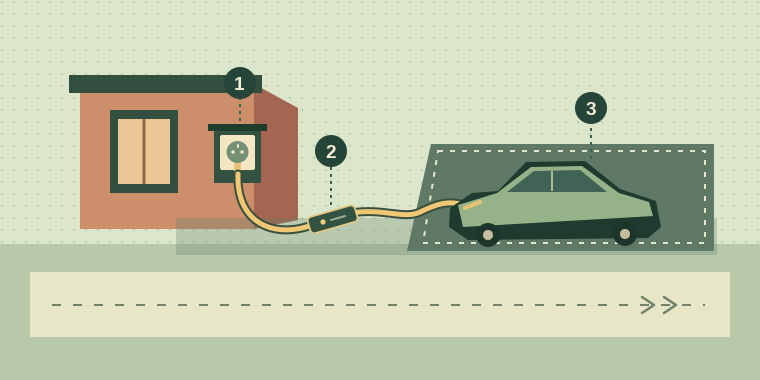
have a qualified electrician check the outlet, sustained load, earthing, circuit protection and available capacity with other equipment running. if the setup doesn’t pass, don’t offer charging there.
outdoors, use equipment and an enclosure rated for the conditions while in use. keep connections dry, above the ground and away from puddles. stop charging if a connection is loose, hot, wet or damaged. don’t touch wet parts that could still be live.
plug the portable charger straight into the checked outlet and follow the car and charger manuals. no power strips, cable reels or makeshift connections. pick a space close enough for the driver’s own cable.
keep the cable inside the bay, away from feet, wheels and doors. don’t run it loose across the pavement, entrances or wheelchair routes. a street bay needs a separately approved design.
Poland’s Office of Technical Inspection: Mode 2 ↗manufacturer guidance: sockets, cables and rain ↗
05 / where to start
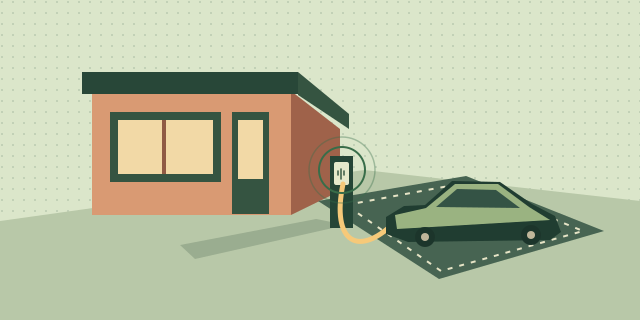
a / parking on your property
start near a suitable outlet, with the property owner’s consent. if an electrician confirms that the existing setup meets the requirements, you don’t have to buy a charger for the driver.
free access doesn’t settle inspection or registration requirements. before advertising, ask how Poland’s Office of Technical Inspection classifies your setup.
Office of Technical Inspection: when checks apply ↗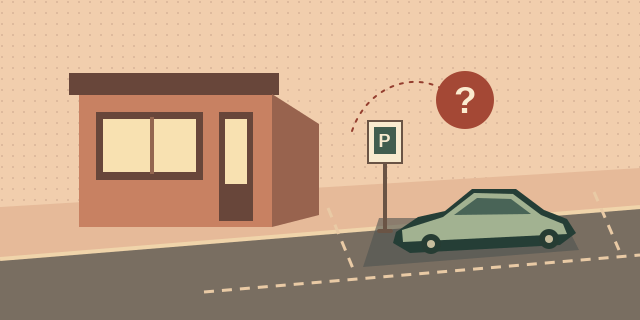
b / street parking only
have a public bay outside? ask the relevant road authority whether it could approve a point and a safe power route at that exact location.
approval isn’t guaranteed. don’t run a loose cable across the pavement or claim a public bay for your business.
Warsaw’s guide to the right road authority ↗06 / what it costs to offer
with a suitable existing outlet, there’s no charger for you to buy: the driver brings it. you still cover any electricity billed under your tariff, plus any inspection or setup. list charging hours or limits and parking prices separately.
an example, not an operating recommendation: multiply 6 kilowatt-hours by your electricity rate. installation and any permit fees are separate.
07 / for both of us
i’d get somewhere to charge near home, and you could gain a returning customer. i’d bring my own charger. if the spot suits me, i’d consider paying monthly for parking.
if you’d like to try this on private property, ask whoever manages the lot and have an electrician check the outlet. for a public bay, first ask the relevant road authority.
if i sent you this link, feel free to reply. i can come by and look at the spot with you.